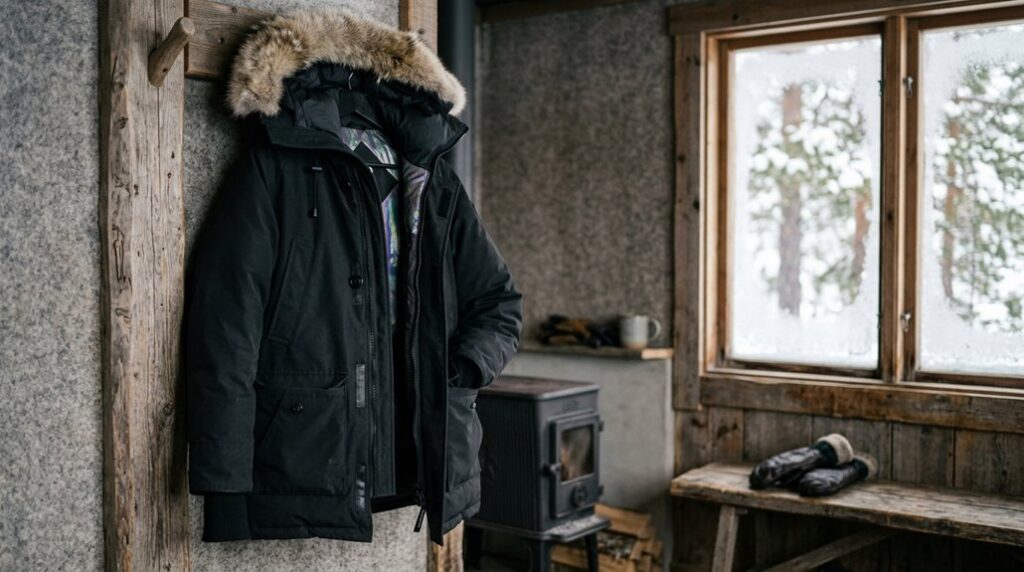
When the mercury drops to “uncomfortably memorable” levels, your jacket becomes your lifeline, not an accessory. I’ve spent years researching what actually keeps you warm versus what just looks warm, and the difference comes down to fill power, shell construction, and whether your gear can laugh at -50°F without flinching.
The 2026 market offers some serious contenders: ski jackets with clever pocketing, workwear built for oil-rig conditions, and parkas that somehow balance bulk with mobility. But here’s the thing that stops most buyers cold (pun intended). They grab the thickest coat in the store without checking what’s inside. And that mistake? It’ll cost you fingers, toes, and pride when the real weather hits.
The seven jackets I’ve narrowed down solve this with specific engineering choices, like 700-fill down clusters that trap heat without weighing you down, or synthetic PrimaLoft that laughs at your sweat instead of turning it against you. Stick around if you want to know which ones actually deliver on their extreme-cold promises, and why two nearly identical Carhartts made my list for completely different reasons.
| Yufawow Men’s Waterproof Ski Jacket | Best All-Rounder | Shell Material: Triple-layer performance shell | Insulation Type: High-performance inner insulation | Waterproofing: Water-repellent coating, windproof membrane | VIEW LATEST PRICE | Read My Analysis | |
| Carhartt Men’s Yukon Extremes Loose Fit Insulated Coat | Toughest Workwear | Shell Material: 500-denier Cordura nylon | Insulation Type: 150g 3M Thinsulate | Waterproofing: Rain Defender DWR | VIEW LATEST PRICE | Read My Analysis | |
| Carhartt Men’s Yukon Extremes Loose Fit Insulated Active Jac | Active Work Pick | Shell Material: 500-denier Cordura nylon | Insulation Type: 150g 3M Thinsulate | Waterproofing: Rain Defender DWR | VIEW LATEST PRICE | Read My Analysis | |
| THE NORTH FACE Men’s McMurdo Waterproof Down Parka | Premium Eco Choice | Shell Material: 100% recycled nylon | Insulation Type: 600-fill recycled waterfowl down | Waterproofing: DryVent 2L seam-sealed, non-PFC DWR | VIEW LATEST PRICE | Read My Analysis | |
| Men’s Winter Puffer Down Hooded Jacket | Feature-Rich Value | Shell Material: High-density spandex/polyester blend | Insulation Type: 3-Layer Heat Lock insulated fill | Waterproofing: 10000mm TPU membrane | VIEW LATEST PRICE | Read My Analysis | |
| TACVASEN Men’s Waterproof Ski Jacket with Fleece Lining | Outdoor Specialist | Shell Material: Polyester softshell | Insulation Type: Fleece lining | Waterproofing: Water-resistant coating | VIEW LATEST PRICE | Read My Analysis | |
| RefrigiWear Men’s Iron-Tuff Polar Insulated Jacket (-50°F) | Extreme Cold Champion | Shell Material: 400-denier nylon | Insulation Type: RefrigiFill polyester insulation | Waterproofing: Water-repellent construction | VIEW LATEST PRICE | Read My Analysis |
More Details on Our Top Picks
Yufawow Men’s Waterproof Ski Jacket
Looking for one jacket that’ll handle practically everything winter throws at you? I’ve got my eye on the Yufawow Men’s Waterproof Ski Jacket, and here’s why you should too.
The triple-layer shell is the real deal: a water-repellent coating plus windproof membrane blocks snow, rain, and icy gusts.
You’ll stay bone-dry whether you’re carving slopes or battling downtown wind tunnels.
Warmth? The high-performance insulation traps your body heat without turning you into a marshmallow, and the soft lining won’t chafe during all-day wear.
Storage options are solid: zippered pockets everywhere (inside and out), hidden zippers, and water-resistant construction keep your phone, pass, and wallet safe.
I appreciate the adjustable hood, cuffs, and hem for dialing in your fit, plus storm flaps over smooth zippers that actually work with gloves.
And the cut? Clean enough for city errands, technical enough for real adventure. One jacket, countless situations. Not bad at all!
- Shell Material:Triple-layer performance shell
- Insulation Type:High-performance inner insulation
- Waterproofing:Water-repellent coating, windproof membrane
- Wind Protection:Windproof membrane
- Hood Type:Adjustable hood
- Pocket Configuration:Multiple zippered pockets inside and out
- Additional Feature:Urban outdoor versatility
- Additional Feature:Soft skin-friendly lining
- Additional Feature:Smooth glove-friendly zippers
Carhartt Men’s Yukon Extremes Loose Fit Insulated Coat
Who needs gear that won’t quit when the job gets brutal? I’ve got your answer. The Carhartt Yukon Extremes coat brings serious hardware to serious cold.
Let’s break down what you’re getting:
The Shell Game
- 6.5-ounce, 500-denier Cordura nylon shell (that’s military-grade toughness)
- 150g 3M Thinsulate insulation, warm without the marshmallow bulk
Weather Fighting Tech
Carhartt packed this with Wind Fighter technology to shut down gusts, plus Rain Defender DWR so water beads and rolls.
The droptail hem keeps your back covered when you’re bending and reaching.
Built Tough, Built Smart
Triple-stitched main seams mean this thing won’t split when you’re hauling lumber or wrestling equipment. Rib-knit storm cuffs seal out drafts.
And that corduroy collar? Comfortable against your neck, with hood snaps when you need full coverage.
Storage for Days
You’ve got six pockets total: zippered map pocket, snap chest pocket, dual lower fronts, plus inner zip and hook-and-loop options.
Oh, and 3M Scotchlite reflective taping front and back, because dark winter mornings are no joke.
Loose fit, machine washable, imported. This is workwear that actually works!
- Shell Material:500-denier Cordura nylon
- Insulation Type:150g 3M Thinsulate
- Waterproofing:Rain Defender DWR
- Wind Protection:Wind Fighter technology
- Hood Type:Corduroy-trimmed collar with hood snaps
- Pocket Configuration:Left-chest zip pocket, right-chest snap pocket, two lower-front snap pockets, inner zip and hook-and-loop pockets
- Additional Feature:3M Scotchlite reflective taping
- Additional Feature:Corduroy-trimmed collar
- Additional Feature:Droptail hem coverage
Carhartt Men’s Yukon Extremes Loose Fit Insulated Active Jac
Need something that’ll take a beating while you’re swinging a hammer or running a skid steer? I’ve got you covered with this active jac from Carhartt’s Yukon Extremes line.
The 6.5-ounce, 500-denier Cordura nylon shell laughs at abrasion, while 150g of 3M Thinsulate insulation traps heat without turning you into a marshmallow. Wind Fighter technology blocks gusts, and Rain Defender DWR shrugs off sleet and snow.
Here’s what stands out:
- Triple-stitched main seams, because blown-out shoulders ruin your morning
- Attached Thinsulate hood with drawcord for when the wind shifts
- Reflective details: 3M Scotchlite Carbon Black taping on the back yoke and front pockets, plus a reflective Carhartt patch, so you’re visible at 5 AM
Storage is solid. Two lower-front pockets, a zippered left-chest map pocket, and inner zip and hook-and-loop pockets mean your tape measure, phone, and wallet each get a home. Rib-knit cuffs and waist seal the gaps.
And the fit? Loose, layer-friendly, cut for actual work. Machine washable, imported, built for people who earn their calluses.
- Shell Material:500-denier Cordura nylon
- Insulation Type:150g 3M Thinsulate
- Waterproofing:Rain Defender DWR
- Wind Protection:Wind Fighter technology
- Hood Type:Attached 3M Thinsulate hood with drawcord
- Pocket Configuration:Two lower-front pockets, left-chest zip pocket, inner zip and hook-and-loop pockets
- Additional Feature:Attached Thinsulate hood
- Additional Feature:Rib-knit waistband
- Additional Feature:Center back yolk taping
THE NORTH FACE Men’s McMurdo Waterproof Down Parka
Want serious warmth without the environmental guilt? I’ve got you covered with The North Face McMurdo Parka, a beast of a jacket that happens to be 75%+ recycled and responsibly sourced by weight. That’s the “Exploration Without Compromise” badge talking, and it means something.
Here’s what you’re getting:
- 600-fill recycled waterfowl down insulation (think: puffy warmth that traps heat even when the mercury tanks)
- DryVent 2L shell with fully taped seams, waterproof and breathable so you don’t turn into a walking sauna
- Non-PFC DWR finish, which is basically a fancy way of saying water beads off without nasty forever chemicals
- 100% recycled nylon exterior that’s tough enough for real abuse
The fit runs relaxed and loose, perfect for layering a chunky fleece underneath. That adjustable hood with removable faux-fur ruff blocks wind like a champ. Four pockets, including secure-zip chest pockets, keep your essentials dry. At roughly two pounds, it’s substantial without being a burden.
And since 1966, The North Face has been building gear for people who actually go outside, not just pose by the ski lodge. The Smoked Pearl colorway looks sharp too.
- Shell Material:100% recycled nylon
- Insulation Type:600-fill recycled waterfowl down
- Waterproofing:DryVent 2L seam-sealed, non-PFC DWR
- Wind Protection:Windproof shell
- Hood Type:Adjustable 3-piece hood with removable faux-fur ruff
- Pocket Configuration:Two secure-zip chest pockets, two dual-entry hand pockets
- Additional Feature:600 fill recycled down
- Additional Feature:Removable faux-fur ruff
- Additional Feature:Eco-conscious sustainable materials
Men’s Winter Puffer Down Hooded Jacket
Looking for serious warmth without the Michelin Man silhouette? I’ve found your jacket. This Men’s Winter Puffer Down Hooded Jacket uses a clever 3-Layer Heat Lock system: a stretchy polyester-spandex shell, insulated fill, and fleecy thermal lining that traps heat immediately. No bulky layering required.
The windproof softshell blocks gusts while staying soft to the touch. And that 10,000mm waterproof rating? It handles sleet, fog, and moderate rain through a TPU membrane that actually breathes, so you won’t stew in your own sweat.
Practical details matter here. The SBS zipper won’t pinch your chin, elastic ribbed cuffs seal out drafts, and the drawstring hood plus adjustable hem complete the fortress. Eight utility pockets mean your keys, phone, and gloves each get their own home. No more digging through clutter.
The two-way zipper unzips from the bottom when you’re sitting, which saves your stomach from pressure. Classic tailoring keeps the waistline and armholes curved properly, so raising your arms won’t yank the whole jacket up.
Weekend camping, grocery runs, evening walks, it handles all of it. Machine washable, imported, ready for real winter.
- Shell Material:High-density spandex/polyester blend
- Insulation Type:3-Layer Heat Lock insulated fill
- Waterproofing:10000mm TPU membrane
- Wind Protection:Windproof softshell design
- Hood Type:Drawstring hood
- Pocket Configuration:8 utility pockets
- Additional Feature:3-Layer Heat Lock
- Additional Feature:Eight utility pockets
- Additional Feature:Two-way SBS zipper
TACVASEN Men’s Waterproof Ski Jacket with Fleece Lining
Who’s hauling their gear up a mountain before dawn? I’ve got a jacket that’ll handle that grind without complaining.
The TACVASEN Men’s Waterproof Ski Jacket with Fleece Lining hits that sweet spot between burly protection and wearable comfort. The polyester soft shell blocks wind through adjustable cuffs, hem buckle, and a detachable storm hood.
And that fleece lining? It’s what separates “surviving” from “actually enjoying” a predawn ascent.
The water-resistant coating shrugs off rain and mist while breathable fabric keeps you from becoming a walking sauna. Storage is solid: two zippered hand pockets, one water-resistant chest pocket, plus internal pockets for your phone, wallet, or passport.
Machine washable, imported, with a right-side zipper head. I picture this on skiers, snowboarders, hunters, hikers, anyone who doesn’t quit when the thermometer does.
The full zipper and stand collar seal out drafts when you’re exposed on a ridge line.
Solid choice for serious cold without serious bulk.
- Shell Material:Polyester softshell
- Insulation Type:Fleece lining
- Waterproofing:Water-resistant coating
- Wind Protection:Windproof soft shell, adjustable cuffs/hem
- Hood Type:Detachable storm hood
- Pocket Configuration:Two zippered hand pockets, one water-resistant chest pocket, two internal pockets
- Additional Feature:Detachable storm hood
- Additional Feature:Right-adjusted zipper head
- Additional Feature:Five total pockets
RefrigiWear Men’s Iron-Tuff Polar Insulated Jacket (-50°F)
I found your extreme cold champion.
The RefrigiWear Men’s Iron-Tuff Polar Insulated Jacket laughs at -50°F (-46°C). This isn’t winter wear, it’s arctic armor with a 400-denier nylon shell that shrugs off tears and abrasion like they’re nothing.
What makes it work:
- RefrigiFill polyester insulation traps serious heat
- Bound seams create a wind-tight seal, plus water-repellent finish
- Soft fleece collar because your neck deserves luxury too
And the details! Brass rivets reinforce stress points, heavy-duty zippers with storm flaps, and an elastic back band that makes room for your tool belt or base layers.
Here’s the pocket situation:
- 2 oversized insulated front pockets (frozen hands, sorted)
- Left sleeve 2-stall pencil pocket for phone, wallet, or whatever
It’s hand wash only, and quality varies slightly depending on whether you get USA-made or imported. But for rugged cold-weather work that demands practicality over pretty, this coat delivers. Years of indoor or outdoor use? Absolutely.
- Shell Material:400-denier nylon
- Insulation Type:RefrigiFill polyester insulation
- Waterproofing:Water-repellent construction
- Wind Protection:Wind-tight bound seams
- Hood Type:Soft fleece collar (no hood)
- Pocket Configuration:Two oversized insulated front pockets, left sleeve pencil pocket
- Additional Feature:-50°F comfort rating
- Additional Feature:Brass rivet reinforcement
- Additional Feature:Left sleeve pencil pocket
Factors to Consider When Choosing Winter Jackets for Extreme Cold
I want to walk you through what actually matters when you’re picking a jacket that won’t betray you in brutal cold. After all that talk about one solid option above, let’s unpack the five things that separate a coat you’ll love from one you’ll curse mid-February. We’re looking at insulation types, weatherproofing, fit and mobility, breathability, and durability, so here’s what I’ve learned matters most.
Insulation Types Explained
Down versus synthetic isn’t just marketing fluff; it’s a genuine fork in the road based on your conditions. Goose or duck down, measured in fill power, gives you unbeatable warmth-to-weight ratios, a 700-fill jacket packs serious heat without the heft, but the second it gets wet, you’re holding a soggy, useless mess. Synthetic fills like PrimaLoft or Thinsulate laugh at moisture, keep insulating when damp, and dry faster, though they bulk up heavier and break down faster over seasons of compression. For extreme cold, I’m partial to down with a water-resistant shell, or better yet, a hybrid that maps synthetic to high-sweat zones like the underarms and down through the core.
Weatherproofing Essentials
A jacket’s weather armor lives in its membrane and its seam tape, no surprises allowed when windchill hits dangerous. Look for a three-layer construction: face fabric, waterproof-breathable membrane like GORE-TEX or eVent, and a protective backer, laminated together so nothing gaps or delaminates. Critically taped seams at minimum, fully taped if you’re serious, and a storm flap over the main zipper because those teeth leak like a sieve under pressure. Hood matters too: helmet-compatible if you’re climbing, brimmed and adjustable if you’re walking into horizontal sleet.
Fit and Mobility
But here’s where people sabotage themselves: buying roomier “for layers,” then swimming in excess dead space their body works overtime to heat. You want athletic-enough to trap warmth, generous enough at the shoulders and arms for a midweight fleece beneath, with articulated patterning that doesn’t ride up when you reach overhead. Check the hem drops lower in back, check that the cuffs seal snug with Velcro or internal gaiters, and for the love of warmth, make sure you can actually zip it snug to the chin without the hood strangling you.
Breathability Considerations
And don’t ignore this, because extreme cold makes sweat a genuine hazard, not a discomfort. Wet base layers conduct heat away from your body 25 times faster than dry ones, so a jacket that traps perspiration is actively working against you. Membranes with high RET values or active-construction options, pit zips you can crack open on the ascent, this stuff isn’t overengineering, it’s survival layering that keeps your microclimate stable. If you’re working hard outside, breathability moves from nice-to-have to absolutely non-negotiable.
Durability Features
Finally, abrasion panels at the shoulders and elbows, reinforced scuff guards at the hem, and YKK or Vislon zippers that don’t freeze or fail; these details compound across a season of hard use. Ripstop face fabrics, ideally 40-denier or thicker in high-wear zones, mean one snag doesn’t become a growing run. And check the warranty, a brand that stands behind their shell for lifetime repairs signals they built it to last, not to land in a landfill after two winters of actual abuse.
Insulation Types Explained
Why does one jacket keep you toasty at -20°F while another leaves you shivering at the bus stop? I’ve learned it all comes down to what’s inside. Insulation creates a thermal barrier by trapping warm air between your body and the outer shell.
Here’s what you need to know:
Down insulation (600-fill) delivers remarkable warmth-to-weight ratio. But here’s the catch: it loses loft when wet unless treated.
3M Thinsulate balances lightweight warmth with impressive heat retention without bulk.
Fleece lining manages moisture and adds coziness, though it needs wind protection since it breathes too freely.
The magic happens when you combine insulated layers with windproof shells. This pairing blocks convective heat loss and keeps precipitation from stealing your warmth. Separate pieces or integrated construction, both work when layered strategically.
Weatherproofing Essentials
How do you stop a blizzard from turning your jacket into a useless sponge? You build a fortress, layer by layer. I always tell folks: start with a multi-layer shell packing a weatherproof membrane plus water-repellent coating. That’s your wind block, your snow shield, your “no way, moisture” barrier.
But shells alone won’t save you. You need thick insulation, down or Thinsulate, creating that thermal barrier so cold air stays where it belongs: outside!
Now here’s where jackets separate the wheat from the chaff:
- Sealed seams (no leaky stitches!)
- Storm flaps over zippers
- Adjustable hoods, cuffs, and hems
And don’t skip the details! Droptail hems add coverage, zippered pockets protect essentials, and reflective bits keep you visible when daylight vanishes at 4 PM. Dry stays dry, warm stays warm. Simple!
Fit and Mobility
The right fit in a winter jacket isn’t just about looking good on the trail, it’s about keeping you alive when the mercury plummets.
I’ve learned that fit directly impacts how well your insulation works. Here’s what matters:
- Layering room vs. warmth seal: A relaxed fit gives space for bulky layers, but drafts kill efficiency if cuffs and hem aren’t snug. Adjustable closures solve this.
- Coverage length: Extended hems or droptails protect your lower back and hips. Cold air loves exposed skin.
- Mobility matters: You need to move. Articulated sleeves and gusseted underarms prevent that straitjacket feeling when reaching or lifting.
- Seal the gaps: Adjustable hoods, cuffs, and hems block wind from penetrating. No warm air escapes, no cold air enters.
And remember, your jacket’s shell (Wind Fighter, DWR) works harder when the fit eliminates entry points for wind and moisture.
Breathability Considerations
Cold weather survival isn’t just about blocking the outside, it’s about managing what you’re creating inside. Your body generates heat and sweat, and I’m here to tell you that trapped moisture is the silent killer of warmth in extreme conditions.
When I’m evaluating breathability, I look at these critical elements:
- MVTR ratings (moisture vapor transmission rate) that measure how much sweat escapes
- Membrane technology like Gore-Tine-style linings that balance protection with airflow
- Mechanical vents: pit zips, mesh zones, and strategically placed openings
Here’s the thing: even the best insulation fails if you’re damp. I’ve learned that waterproof-breathable shells with DWR treatment and seam sealing keep external moisture out while letting internal humidity escape.
And without sufficient airflow? Your perceived warmth plummets fast.
Durability Features
Durability Features
Why fixate on warmth if your jacket falls apart halfway through the season? I’ve learned that durability separates cheap throws from serious investments.
Look for these critical features:
- Triple-stitched main seams or reinforced bindings that won’t blow out when you’re moving hard
- 400- to 500-denier nylon or Cordura shells with wind-tight, water-repellent coatings: abrasion resistance matters when you’re brushing against ice, trees, gear
- Bound seams plus brass rivets and storm flaps at stress points: because elbows, cuffs, and shoulders take a beating
- Heavy-duty zippers with storm flaps, not those flimsy teeth that jam when frozen
- Quality insulation (think 150g Thinsulate or RefrigiFill) married to tough outer fabrics: thermal performance means nothing if the shell degrades
A jacket that lasts five seasons beats buying new every year.
Pocket Placement Options
Where do you stash your phone when it’s twenty below and your fingers are too numb for fine motor skills? I’ve learned that pocket placement isn’t just about storage: it’s about survival.
Here’s what matters:
- External chest and hand pockets with zippers or snaps keep essentials reachable and snow-free
- Internal and sleeve pockets hide maps, passes, or wallets, cutting bulk on your outer shell
- Dedicated interior pockets (zip or hook-and-loop) protect electronics from wind and moisture
- Hidden or water-resistant zippers with storm flaps work when you’re wearing gloves, no snagging, no slips
- Strategic positioning across chest, waist, and interior distributes weight, so you stay balanced and warm while moving
Skip the fumbling. Get pockets that actually work when everything else stops functioning!